Quick Answer
A bachelor’s degree that meets BACB coursework requirements is the minimum educational requirement for BCaBA certification through the Behavior Analyst Certification Board. Most programs run about 120 credits, take four years to complete, and are available online. The degree opens entry-level roles in autism clinics, schools, mental health centers, and human services.


A bachelor’s in ABA sits at an interesting spot in the certification pipeline. It’s real credentialing progress on its own, since it’s the entire educational requirement for BCaBA certification, but it’s also the on-ramp most people use before a master’s and BCBA certification. We wanted to know how programs built specifically for this level actually work, so we went back to our ongoing faculty interview series. Of the 61 university programs we’ve surveyed, 18 were recognized specifically for undergraduate BCaBA-level training, and we leaned on their answers, not just the BACB handbook, to build this guide.
One of the clearest voices among them spent nearly three decades building exactly this kind of program from the inside.
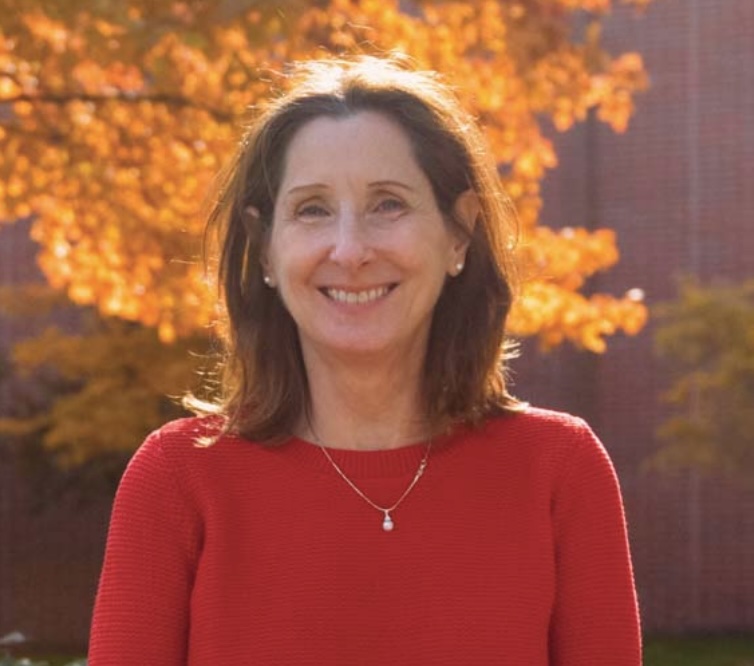
Adjunct Professor, Midland University
Dr. Taylor spent 27 years on the psychology faculty at Midland University, where she built the school’s ABA minor, one of the only undergraduate programs in the region designed specifically around BCaBA-level preparation. Students start as early as their freshman or sophomore year and complete a yearlong internship through the Munroe-Meyer Institute at the University of Nebraska Medical Center before they graduate. She stepped back from full-time teaching in 2025 and now serves as adjunct faculty there.
In This Guide
- What Is an ABA Bachelor’s Degree, Exactly?
- Is This Degree Right for You?
- What Will You Actually Study?
- Full Bachelor’s Degree or a Standalone Course Sequence?
- How Do Online BA and BS Programs Actually Work?
- How Do You Actually Earn BCaBA Certification?
- Where Can This Degree Actually Take You?
- Frequently Asked Questions
- Key Takeaways
What Is an ABA Bachelor’s Degree, Exactly?
Applied behavior analysis is a science. It uses controlled observation and measurement to understand why behaviors occur, then designs interventions to create meaningful, lasting change. A bachelor’s degree in ABA grounds you in those principles from an undergraduate level.
Depending on the university, these programs are housed in a psychology department, an education school, or an applied behavioral sciences division. All three routes share a common core. You’ll study how behavior is shaped by environment, how to assess it systematically, and how to design and implement effective interventions.
That foundation holds value across a wide range of settings. Many graduates go straight into roles as paraprofessionals in autism therapy, schools, or community mental health. Others use the degree as the launchpad for a master’s program and eventual BCBA certification.
Is This Degree Right for You?
A bachelor’s in ABA tends to fit a few distinct groups of people.
If you’re an undergrad figuring out where your interest in psychology or special education could lead, this degree can open a pathway into supervised behavior-analytic and behavioral-health roles, depending on credentialing and state requirements, not just a classroom aide position. If you’re a career changer from social work, education, or healthcare, the principles you’ll learn build naturally on what you already know. And if you’re eventually eyeing BCBA certification, starting with a BCaBA at the bachelor’s level gives you supervised experience hours and field exposure before you go back for your master’s.
Here’s what the degree doesn’t do: it won’t qualify you to practice as a full behavior analyst or sit for the BCBA exam. For that, you’ll need a graduate degree. But as an entry point into the profession, the Board Certified Assistant Behavior Analyst (BCaBA) is a legitimate career step, not just a placeholder. It may be recognized for insurance reimbursement depending on state law and payer policies, and it’s often required or accepted as a path to state licensure in states that license assistant behavior analysts. State licensure laws vary and may impose additional requirements beyond BCaBA certification.
Could a Combined Bachelor’s and Master’s Track Save You Time?
If you already know you want to go all the way to a master’s and BCBA certification, some schools let you start building that bridge before you’ve even finished your bachelor’s. Arcadia University is one of them.
Faculty Voice
“We are in the process of starting a new program that will allow students to earn a Bachelor’s degree (BA) and a Master’s degree (MA) in just five years of study.
How Many Bachelor’s Programs Actually Offer This Bridge?
Professors from 5 of 61 programs in our interview series described a formal track that lets students begin graduate-level ABA coursework before they’ve finished their bachelor’s. Arcadia’s 5-year combined BA/MA is still being built out. Caldwell University runs a Combined B.A. in Psychology/M.A. in ABA that saves students about a semester. George Mason University lets undergraduates start earning credit toward its Applied Behavior Analysis Graduate Certificate before they finish their degree. Mary Baldwin University’s BA/MS dual-degree option saves about a year and 17 graduate credit hours. And the University of Massachusetts Lowell admits juniors with a 3.0 GPA or better into a five-year bachelor’s-to-MS track. If shaving time off a master’s matters to you, it’s worth asking any program you’re considering whether they offer something similar.
What Will You Actually Study?
Bachelor’s programs in ABA typically run about 120 credits across four years. The curriculum draws from psychology, sociology, and behavioral science, blending conceptual foundations with practical skills.
Core psychology coursework usually covers research methods, statistics for the behavioral sciences, lifespan development, social psychology, and cognitive psychology. These aren’t filler requirements. Research methods are particularly important in ABA because the field is built on data-driven decision-making.
On the behavioral science side, you’ll dig into learning principles and applied behavior analysis, behavior assessment and data collection, behavior therapy approaches, and the ethical and professional standards that govern the field. The ethics coursework is substantial. Per the BACB’s Fifth Edition Task List requirements implemented in 2022, BCaBA candidates must complete 225 total instructional hours across six content areas.
| Content Area | Required Hours |
|---|---|
| Ethics and Professionalism | 30 |
| Philosophical Underpinnings, Concepts and Principles | 45 |
| Measurement, Data Display, and Experimental Design | 30 |
| Behavior Assessment | 45 |
| Behavior-Change Procedures and Intervention Selection | 60 |
| Personnel Supervision and Management | 15 |
| Total | 225 |
These requirements are scheduled to change again on January 1, 2027, so confirm the current figures directly with the BACB before enrolling.
Depending on the program, you may also complete a supervised fieldwork component as part of your degree. This is where classroom concepts meet real clients, and it’s required if you plan to pursue BCaBA certification.
Do You Need a Bachelor’s Specifically in ABA, or Will Psychology Work?
Not necessarily, and one of the clearest examples of why comes from a research-intensive program that also runs an undergraduate certificate on the side.
Faculty Voice
“Yes, towards a bachelor’s in Psychology. The coursework meets the requirements for students to take the BCaBA exam, as long as they meet the experience/supervision requirements.

So the department name on your diploma matters less than whether the specific coursework you took covers the BACB’s content requirements. Confirm that directly with any program before you assume a psychology degree alone will do the job.
Full Bachelor’s Degree or a Standalone Course Sequence?
Not everyone who is chasing BCaBA certification needs or wants a brand-new bachelor’s degree. If you already hold a bachelor’s in an unrelated field, some universities let you complete just the required ABA coursework as a standalone sequence, without re-enrolling in a full second degree program.
Some schools handle this by running a full degree program right alongside a standalone, coursework-only option, so students can pick based on what they already have. Here’s how one of them put it.
Faculty Voice
“We currently offer two degree programs and two verified course sequences. The degree programs are a Bachelor of Science in Health Science or a Master of Arts in Exceptional Student Education. The verified course sequences are for the course component of BCBA and BCaBA certification.
Dr. Ruiz described this in terms of the ABAI Verified Course Sequence system, which the BACB retired at the end of 2025. The underlying distinction still holds at many schools today: a full degree for students who need one, or a coursework-only track for students who already have a qualifying bachelor’s degree and just need the BACB content covered. For Pathway 2 applicants, qualifying coursework is now documented through the BACB’s coursework-attestation process rather than a separate VCS listing, so confirm current terminology directly with any program you’re considering.
How Common Is This Two-Track Setup?
Professors from 2 of 61 programs in our interview series described exactly this structure. Alongside the University of West Florida, Mary Baldwin University runs a full BA in Applied Behavior Analysis & Autism Studies, a standalone minor that can be taken as part of a psychology program, plus separate BCaBA-only coursework for students who already hold an unrelated bachelor’s degree. If you already have a degree, ask directly whether a program offers this coursework-only route before assuming you need to start a second bachelor’s from scratch.
For students without a bachelor’s yet
Full Bachelor’s Degree
Satisfies the degree AND the coursework
- Typical length4 years
- CoversDegree requirement + BACB coursework
- Best forFirst-time undergrads, career-starters
For students who already have one
Standalone Course Sequence
Adds just the missing coursework
- Typical lengthVaries by school, often under a year
- CoversBACB coursework only
- Best forCareer changers with an unrelated bachelor’s
How Do Online BA and BS Programs Actually Work?
Most bachelor’s programs in ABA are offered as either a Bachelor of Arts (BA) or a Bachelor of Science (BS). The distinction matters less than the accreditation and course sequence approval. What does matter is whether the program meets BACB requirements for BCaBA eligibility.
Look for programs accredited by the Association for Behavior Analysis International (ABAI). ABAI-accredited programs meet BACB standards by definition. If a program isn’t ABAI-accredited, it must still meet BACB course content requirements and go through the university attestation process, which became the primary non-accredited pathway in January 2026 after the ABAI Verified Course Sequence (VCS) program ended on December 31, 2025. For a current list of programs that previously held VCS approval and may be in the attestation process, see our guide to VCS undergraduate programs. If a program can’t confirm ABAI accreditation or demonstrate compliance through attestation, it won’t count toward certification.
Many of these programs are now fully online, which makes them accessible to working students and those who don’t live near a campus with an ABA program. The same accreditation and course content standards apply to online programs. Online doesn’t mean easier, less rigorous, or lower quality, but it does mean more flexibility for people juggling work, family, or geography.
How Do You Actually Earn BCaBA Certification?
The Behavior Analyst Certification Board awards the Board Certified Assistant Behavior Analyst (BCaBA) credential. BCaBA is a BACB certification, not a state license. Whether certification is sufficient for practice, required for assistant-level licensure, or reimbursable depends on the applicable state’s law and payer rules.
BCaBAs are not independent practitioners and may provide behavior-analytic services only under the supervision of a BCBA. This is an important distinction: the BCaBA is a supervised credential, not an independent practice license.
Here’s what the path looks like:
What Education Do You Need?
Your bachelor’s degree must meet one of two current BACB standards. It must come from an ABAI-accredited program or meet BACB course content requirements and be verified through the university attestation process. The ABAI Verified Course Sequence (VCS) program ended December 31, 2025. As of January 2026, university attestation is the pathway for non-accredited programs seeking BACB compliance. Confirm which pathway applies to your program directly with the institution and at bacb.com before enrolling.
Per the BACB’s Fifth Edition Task List implemented in 2022, that means 225 total instructional hours across the six content areas covered in the table above, from ethics and professionalism to behavior-change procedures. These requirements change again on January 1, 2027, so confirm the current figures directly with the BACB before enrolling.
What Fieldwork Do You Need?
You must complete BACB-recognized supervised fieldwork to qualify for the credential. The BACB currently recognizes two formats.
These hours don’t have to be embedded in your degree program, but they must be properly documented and verified by a BACB-approved supervisor. The BACB has also announced changes to certification requirements for both BCBA and BCaBA candidates, effective January 1, 2027. Confirm the exact current format and any transition rules that apply to you, both with your program and at bacb.com, before enrolling.
Note: Behavior technician roles such as Registered Behavior Technician (RBT) require separate certification through the BACB and are distinct from BCaBA candidacy requirements.
What’s on the BCaBA Exam?
Once your education and fieldwork requirements are met, you’ll sit for the BCaBA examination. The exam contains 130 questions. Check the current BACB examination content outline for the specific domain breakdown, since that structure is subject to revision.
Passing the exam earns you the BCaBA credential. After that, you’ll maintain it through continuing education and ongoing supervision requirements.
Where Can This Degree Actually Take You?
A bachelor’s in ABA opens more doors than most people expect. The most direct path leads to roles as a Board Certified Assistant Behavior Analyst (BCaBA), typically working under the supervision of a BCBA in autism clinics, schools, or home-based therapy programs. If you’re ready to compare options, our list of the best BCaBA schools is a good place to start.
But the degree carries well beyond those settings. Graduates work in community mental health centers, adult day programs, child welfare agencies, and residential facilities. Outside of clinical ABA, the degree translates into roles in human resources, public health, social services, and youth services. Core skills like understanding behavior, designing interventions, and collecting and analyzing data are useful in any field that involves working with people.
What Do Graduates Actually Do Next?
We put this question directly to faculty who’ve watched cohort after cohort graduate. The pattern holds across programs: most bachelor’s-level graduates either continue toward a master’s or move straight into paid ABA work.
Faculty Voice
“Many of our students go on to Master’s programs after graduating with their Bachelor’s degree from Midland. Others join university-based programs or private practices providing ABA services.
On the career and salary side, BLS doesn’t publish a separate national wage series for BCaBAs or BCBAs. The figures below use the broader Substance Abuse, Behavioral Disorder, and Mental Health Counselors category (SOC 21-1018) as a proxy, and shouldn’t be read as BCaBA-specific pay.
| Percentile | Annual Wage |
|---|---|
| National Mean | $64,440 |
| 10th | $38,940 |
| 25th | $47,100 |
| Median (50th) | $59,350 |
| 75th | $76,530 |
| 90th | $97,590 |
The job outlook for this broader occupational category is strong. Employment is projected to grow 17% from 2024 to 2034, which is much faster than the average for all occupations. That translates to approximately 81,100 new positions over the decade and an estimated 48,300 annual job openings. For state-specific salary and employment data, see our ABA Salaries by State resource.
For those planning to continue their education, a bachelor’s in ABA prepares them directly for master’s programs in ABA, psychology, and special education. If BCBA certification is your long-term goal, the fieldwork and foundational coursework you complete at the bachelor’s level give you a meaningful head start.
Frequently Asked Questions
What’s the difference between a BCaBA and a BCBA?
The BCaBA is an undergraduate-level credential. BCaBAs are not independent practitioners and may provide behavior-analytic services only under BCBA supervision. The BCBA requires a master’s degree, more extensive supervised fieldwork, and passing a separate examination. If you’re thinking long-term, many people earn their BCaBA first to build field experience while completing graduate school.
Can I complete a bachelor’s in ABA fully online?
Yes. Many ABAI-accredited and BACB-compliant programs are offered entirely online. The key is confirming the program includes coursework that satisfies the applicable BACB eligibility pathway and a structured fieldwork component, because those requirements apply regardless of format.
Do I need a bachelor’s specifically in ABA, or will a psychology degree work?
It depends. A psychology degree alone won’t qualify you for BCaBA certification unless it meets BACB course content requirements and is verified through the university attestation process, which is the current pathway for non-accredited programs as of January 2026. Some psychology programs offer an ABA track, a minor, or an add-on certificate that satisfies those requirements. Check with the program and confirm BACB compliance directly before enrolling if BCaBA is your goal.
What careers can I pursue with just a bachelor’s in ABA?
Common roles include Board Certified Assistant Behavior Analyst (BCaBA), behavior technician, special education paraprofessional, case manager, and program coordinator in behavioral health or human services settings. Some graduates move into human resources, consumer research, or public health roles where behavioral science training is valued.
How long does it take to earn a bachelor’s in ABA?
Most programs are designed for four years of full-time study and run about 120 credits. Online formats, accelerated bachelor’s/master’s tracks, and standalone course sequences for people who already hold a degree can all shorten or restructure that timeline depending on your starting point.
Key Takeaways
- A bachelor’s in ABA is a four-year, 120-credit degree that prepares you for entry-level roles as a Board Certified Assistant Behavior Analyst (BCaBA) in clinical, educational, and community settings.
- Not every bachelor’s degree qualifies. Confirm ABAI accreditation or that the program meets BACB course content requirements through university attestation, the current pathway for non-accredited programs as of January 2026, before you enroll.
- If you already hold a bachelor’s in an unrelated field, some schools offer a standalone course sequence that covers just the required coursework, without a second full degree.
- 5 of the 61 programs in our interview series run a formal accelerated bridge straight from the bachelor’s into a graduate credential, worth asking about if BCBA is your eventual goal.
- BLS doesn’t track ABA or BCBA roles separately. Using the broader counseling category (SOC 21-1018) as a proxy, the national median salary is $59,350, with 17% projected growth by 2034 and about 48,300 annual openings.
Ready to compare real ABA bachelor’s programs?
See which schools fit your timeline, budget, and BCaBA goals.
2025 US Bureau of Labor Statistics salary and employment figures for Substance Abuse, Behavioral Disorder, and Mental Health Counselors reflect state and national data, not school-specific information. Note: ABA/BCBA roles are included in this broader BLS category, and actual salaries for these professionals are frequently higher. ABA salaries can vary based on experience, location, and setting. Data accessed August 2026.