
Applied behavior analysis (ABA) is one of the most rigorously studied, evidence-backed approaches to understanding and changing behavior. It’s the foundation of autism therapy, but ABA extends well beyond that into education, mental health, substance abuse treatment, and even organizational behavioral management in workplace settings. If you’re considering a career in ABA, you’re in the right place.
This site’s reporting on ABA degrees, training options, and certification draws on direct input from the people teaching the next generation of behavior analysts.
Applied Behavior Analysis Programs


Applied Behavior Analysis Degrees
Your ABA career starts with the right degree. Requirements vary by state and by the credential you’re pursuing, but here’s how each level fits into the bigger picture.
Bachelor’s Degree in ABA
Master’s Degree in ABA
Ph.D. in ABA
Faculty Voice
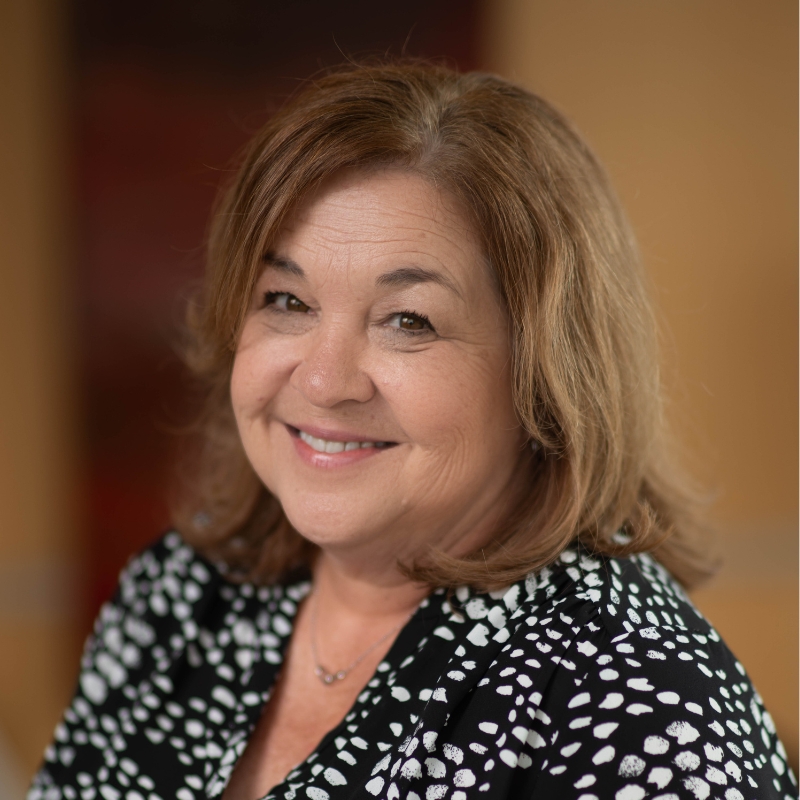
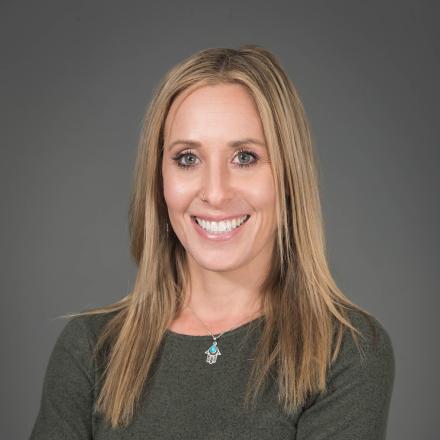
“Although we do cover ABA applications to students with autism, we take a broad view of ABA, including its uses in fields such as mental health, geriatrics, and industry.
Top-Rated and Most Affordable ABA Programs
Not sure where to start? Our editorial team has spent years researching and ranking ABA programs across the country by quality, cost, accreditation status, and flexibility. These lists are the best place to find a program that fits your goals and your budget.
20 Best Schools Offering ABA Master’s Programs
Our flagship graduate school rankings.
10 Most Affordable ABA Master’s Programs
Ranked by tuition and overall cost, for students weighing budget alongside quality.
35 Top ABA Graduate Programs
A wider look at the full graduate landscape, master’s and doctorate.
62 Best Online ABA Programs
100% online master’s and certificate options for working professionals.
23 Best Master’s in Psychology with an ABA Track
For students pursuing a psychology degree with ABA specialization.
Top 57 Schools Offering ABA Bachelor’s and BCaBA® Courses
Undergraduate programs and course sequences for aspiring BCaBA®s.
Faculty Voice
“Students get tons of experience integrating research and their clinical work, lots of ongoing contact and mentorship from their advisors, and the coursework is rigorous. It’s clear our faculty really care about the success of our students and are passionate about the work that they do.
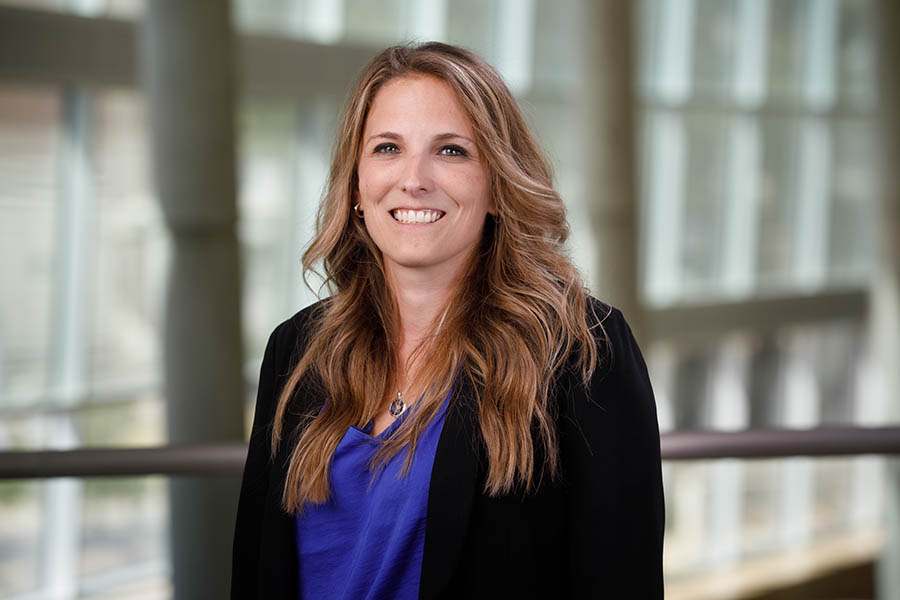
One of the most influential voices in the community that has formed around AppliedBehaviorAnalysisEDU.org helped write the very rules that govern professional licensing today.

Michael F. Dorsey, Ph.D., BCBA-D, LABA
VP of Psychological Services, Amego Inc. · Lecturer, Applied Behavior Analysis Programs, Northeastern University
Dr. Dorsey earned his Ph.D. from Western Michigan University in 1979 and has spent decades shaping the field from the inside: he authored the first behavior analyst state licensing bill filed in the United States, chaired ABAI’s Verified Course Sequences Board, and co-founded the Institute for Behavioral Studies at Endicott College.
A Growing Community of ABA Students, Educators, and Practitioners
Along with Dr. Dorsey, we worked with more than 70 professors so far, all addressing the questions prospective students and advancing professionals actually want answered: who their programs are really built for, what their graduates go on to do, and what makes their approach to training behavior analysts distinct.
Explore the full ABA professor interview series to hear directly from the faculty shaping how today’s BCBA®s are trained.
ABAI-Accredited Graduate and Undergraduate Program Directories
ABAI accreditation is one of the strongest signals of program quality in the field. It means a program has undergone a rigorous, standardized review of its curriculum, faculty, and training model against ABAI’s published criteria, rather than a self-reported claim. If you want confidence that your program meets the highest standards in behavior analysis education, these are the directories to look to, and they’re the same ones we cross-reference throughout our own program rankings.
ABAI-Accredited Graduate Programs
The full directory of graduate programs that may satisfy the educational pathway toward board certification, covering both master’s-level programs (leading to BCBA®) and doctoral-level programs (leading to BCBA-D®).
ABAI-Accredited Undergraduate Programs

The full directory of undergraduate programs that may satisfy the educational pathway toward BCaBA® certification.
AppliedBehaviorAnalysisEdu.org is not affiliated with, endorsed by, or sponsored by the Association for Behavior Analysis International (ABAI). The seals above are displayed for informational purposes only, to help you identify ABAI-accredited programs at each degree level.
Earning Your ABA Degree Online
Here’s how to sort out what actually matters when you’re comparing online ABA programs:
Applied Behavior Analysis Training
Real-world training is where the science becomes practice. Completing relevant ABA training builds the supervised fieldwork hours BCBA® and BCaBA® candidates need to sit for ABA certification. RBT® candidates follow a separate track instead: a 40-hour training program and a competency assessment, not supervised fieldwork hours. Some graduate programs build structured fieldwork opportunities into the degree itself, but that varies program to program, so confirm the specific arrangement and hour requirements with your program and your state licensing board before you enroll.
Applied Behavior Analysis Certification and Licensure
Once you’ve met the education and supervised-fieldwork requirements for the credential you’re aiming for, you can apply through the Behavior Analyst Certification Board (BACB) and take the applicable certification exam. Here’s what each credential covers.
Registered Behavior Technician (RBT®)
Becoming a Registered Behavior Technician® is the entry point for hands-on ABA work. This paraprofessional credential requires a 40-hour training program, a competency assessment, and ongoing supervision. It’s a strong starting point if you want real clinical experience before committing to a full graduate program. Many RBT®s work while completing coursework toward a BCaBA® or BCBA®, since the hands-on hours they log often count toward these more advanced credentials.
Board Certified Assistant Behavior Analyst (BCaBA®)
Becoming a Board-Certified Assistant Behavior Analyst® lets you provide behavior-analytic services to support BCBA®s, working under their supervision. It’s a bachelor’s-level credential that suits professionals who want clinical responsibility without the full scope of independent practice, though your specific permitted activities also depend on your state’s laws and setting. It’s a common bridge for people finishing a bachelor’s degree who want paid clinical experience while they decide whether to pursue a master’s.
Board Certified Behavior Analyst (BCBA®)
This master’s or doctorate-level credential is one of the final steps to becoming a Board-Certified Behavior Analyst®. BCBA®s assess behavior, conduct functional behavior assessments, design treatment plans, analyze intervention data, and supervise RBT®s and BCaBA®s. It’s the credential most clinical positions, insurance panels, and state licensure boards are built around, which is why most people pursuing a long-term ABA career aim for it directly.
Board Certified Behavior Analyst – Doctoral (BCBA-D®)
Not a separate exam. BCBA®s who complete a qualifying doctoral degree and meet the BACB’s additional criteria can apply for the BCBA-D® designation, which recognizes doctoral-level training and is common among academics, researchers, and senior clinical leaders. It signals doctoral-level training layered on top of the same clinical scope as a standard BCBA®, rather than expanding what you’re licensed to do. Learn more about earning a doctorate in ABA if you’re considering the path that leads here.
Applied Behavior Analysis Careers
Faculty aren’t the only members of this community who can tell you what this career actually looks like day to day.

BCBA, Private Practice Owner · MS in Applied Behavior Analysis
During her internship, the first child Jamie worked with was two years old, nonverbal, and barely sleeping. Within one visit, he stopped crying. Within months, he was talking, following instructions, and starting kindergarten without anyone knowing he’d once been diagnosed with autism. It was this experience that convinced her ABA was the branch of psychology that made the most sense.
An ABA degree opens more doors than most people expect. ABA careers span clinical settings, schools, hospitals, non-profits, and corporate environments. Here’s a closer look at some of the jobs related to applied behavior analysis available to graduates.
Where These Roles Actually Show Up
Faculty Voice
“Although the research base of the science extends to a wide range of individuals and problems, the practice of ABA remains largely relegated to those with autism. Behavior analysts have the potential to contribute greatly to such areas as addiction, nutrition, exercise, and numerous other behavioral issues.

What Our Conversations with ABA Professors Have Revealed
29 of the 71 professors in our interview series brought up specific uses for ABA outside autism care on their own while answering general questions about their programs. The list is wide: organizational behavior management, gerontology, mental health treatment, forensic and correctional settings, substance abuse and addiction, sports performance, and traumatic brain injury recovery. Nearly half the faculty we talked to described work in one of these areas without us asking about it directly.
Frequently Asked Questions
Here’s what people ask us most:
- How long does it take to become a BCBA®? A typical path can take about 6 to 8 years, including a bachelor’s degree (about 4 years), a master’s degree (about 2 years), and supervised fieldwork hours, often completed during graduate study. Some combined or accelerated programs can shorten that timeline.
- Do I need a state license in addition to BCBA® certification? In most states, yes. More than 40 states now regulate behavior analysts through licensure or other regulatory laws, meaning BCBA® certification alone may not authorize you to practice without also obtaining a state license. Requirements vary by state, so check the state guide below to confirm what your state requires before you start your program.
- What’s the difference between RBT®, BCaBA®, and BCBA®? These are the three BACB credentials, each requiring different levels of education and supervision. RBT®s are paraprofessionals who work under direct supervision. BCaBA®s hold bachelor’s degrees and work under a BCBA®. BCBA®s hold master’s or doctoral degrees and can practice independently, subject to the licensure and scope-of-practice laws in the state where they work. Many professionals start as an RBT® and work toward higher credentials over time.
- What can I do with an ABA degree beyond autism therapy? More than most people realize. ABA principles apply to substance abuse treatment, organizational behavior management, sports psychology, education, school psychology, and more. The science of behavior change is broadly applicable, and many ABA graduates work in settings that aren’t autism-specific.
Are You Ready for a Career in Applied Behavior Analysis?
If you’re looking for a career that’s grounded in real science and directly changes people’s lives, ABA is worth the commitment. The path takes time and focused study, but the demand is growing, the research base is strong, and opportunities span a wide range of settings and populations.
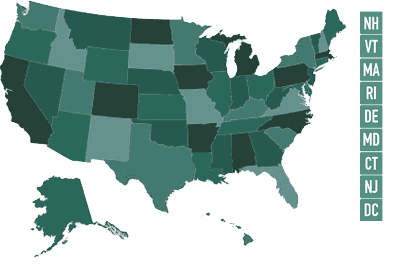
Take the first step today and learn how to become a behavior analyst in your state.
Find Info For Your State
- Alabama
- Alaska
- Arizona
- Arkansas
- California
- Colorado
- Connecticut
- Delaware
- District of Columbia
- Florida
- Georgia
- Hawaii
- Idaho
- Illinois
- Indiana
- Iowa
- Kansas
- Kentucky
- Louisiana
- Maine
- Maryland
- Massachusetts
- Michigan
- Minnesota
- Mississippi
- Missouri
- Montana
- Nebraska
- Nevada
- New Hampshire
- New Jersey
- New Mexico
- New York
- North Carolina
- North Dakota
- Ohio
- Oklahoma
- Oregon
- Pennsylvania
- Rhode Island
- South Carolina
- South Dakota
- Tennessee
- Texas
- Utah
- Vermont
- Virginia
- Washington
- West Virginia
- Wisconsin
- Wyoming
Ready to find your program?Browse schools that offer accredited ABA degrees and connect with programs that fit your goals, your schedule, and your budget.